
Signs Your Tank Needs Service
If drains all over the house have gotten slower over the last few weeks, not just one sink, you've probably already wondered whether it's actually the septic tank. It probably is, and catching it now instead of waiting is what keeps this a routine call instead of an emergency one.
Slow drains across the house, not just in one fixture, often mean the tank is nearing capacity — the same warning sign covered in our drain cleaning guide. Sewage odor near the drain field is another sign. So is standing water, or unusually lush or green grass over the tank or field area. Catching these early keeps a routine pumping from turning into a more involved and expensive backup.
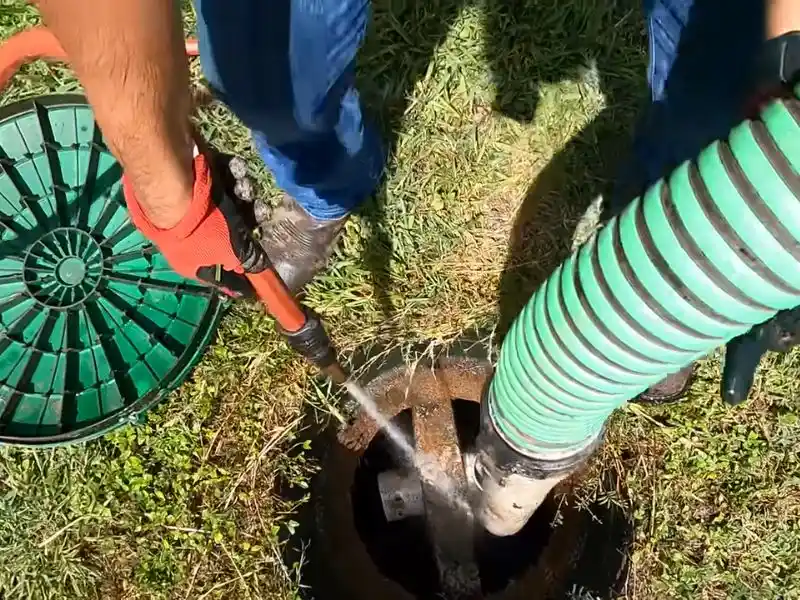
What Happens If a Full Tank Backs Up
A septic system that's ignored past capacity doesn't fail quietly.
Sewage can back up into the house
A tank at full capacity has nowhere left to send wastewater, and the lowest drains in the house are usually the first to show it.
The drain field can get damaged
An overflowing tank can saturate the drain field beyond what it's built to handle, sometimes requiring field repair, not just pumping.
Storm timing makes it worse
A near-capacity tank hit by heavy rain during hurricane season backs up faster than the same tank would in a dry stretch.
Septic vs. Bonita Springs Utilities
Bonita Springs Utilities provides central water and sewer service across most of the city. Older neighborhoods still have homes on private well and septic systems, especially closer to the Imperial River in areas like Imperial Shores. BSU has also been running active septic-to-sewer conversion projects in parts of the area. We can confirm which system your specific address has during a visit.
Why Pumping Schedule Matters Here
Florida's heavy rain and high water table can affect drain field performance, especially during hurricane season.
- Stay ahead of the typical three-to-five-year pumping schedule
- Get on a routine schedule before hurricane season starts each June
- Check the drain field's condition during every pumping visit
- Flag early if the field itself needs attention, not just the tank
Patterns We See on Calls Like This
A frequent call comes in right as hurricane season starts, from a homeowner who's noticed slow drains for a while but put off scheduling a pumping. Getting ahead of it in May or early June, before the heavy rain really starts, usually means a routine visit. Waiting until after the first big storm often means dealing with an actual backup instead.
| Service | Typical Cost Range | What Affects the Price |
|---|---|---|
| Routine septic pumping | $300 – $600 | Tank size, access |
| Emergency pumping (active backup) | $400 – $800 | Severity, time of service |
| Tank inspection | $150 – $300 | Property size, tank age |
Ranges reflect typical SWFL market pricing and vary by tank size and access. Final pricing is confirmed on-site.
Frequently Asked Questions
How often should a septic tank be pumped?
Most residential septic tanks need pumping every three to five years, depending on household size and tank capacity. Homes with heavier usage or smaller tanks may need service more often.
How do I know if my home is on septic instead of Bonita Springs Utilities?
Older homes in certain neighborhoods, especially near the river, are more likely to still be on private septic. If you're not sure, we can help confirm during a service call. We can also flag whether your area has an active sewer conversion program.
What are signs a septic tank needs pumping?
Slow drains across the house. Sewage odor near the drain field. Standing water or unusually lush grass over the tank or drain field area. All are common signs it's time for service.