
Common Water Heater Problems We Fix
If you're reading this, you've probably already noticed it — the popping sound in the garage, the shower that used to run hot and now taps out in five minutes, or a puddle where there shouldn't be one. You don't need us to tell you something's wrong. You need someone who can tell you exactly what it is, how serious it actually is, and what it takes to fix it.
Most water heater calls fall into a handful of patterns: no hot water at all, water that runs lukewarm and never gets hot, a pilot light that won't stay lit on gas units, strange noises from sediment buildup, or water pooling around the base of the tank. Each points to a different likely cause. We diagnose before recommending a fix rather than guessing over the phone.
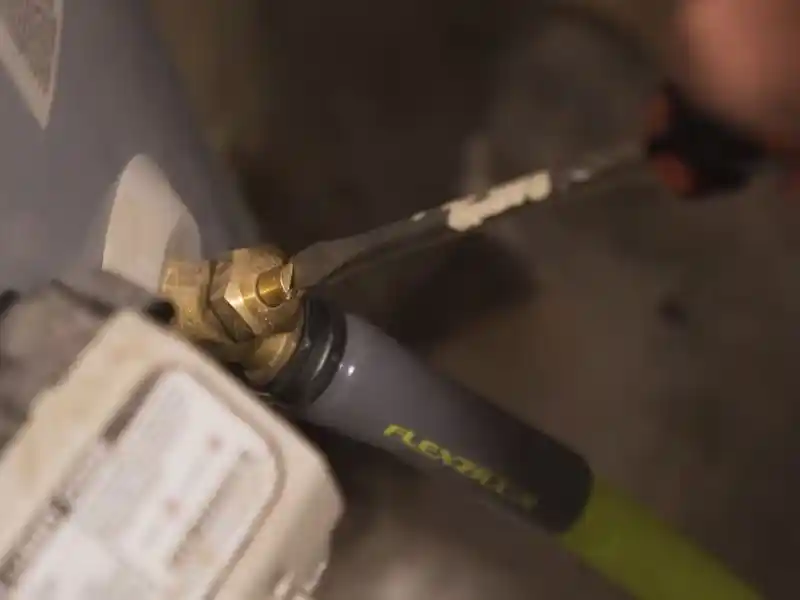
Why Bonita Springs Is Hard on Water Heaters
Salt air drifting in from the Gulf and Barefoot Beach accelerates corrosion on tank fittings and connections, especially on homes closer to the coast. The area also draws from a limestone aquifer, which is why hard water leaves scale buildup inside tanks over time. Together, those two factors mean a water heater here often needs attention sooner than the same unit would in a drier, softer-water market.
Seasonal homes add another wrinkle. A tank that sits unused for months while an owner is up north can develop sediment settling and valve issues that show up the moment the water gets turned back on — this shows up often in Pelican Landing and other seasonal communities. We ask about occupancy pattern on every call for exactly that reason, and it's part of why we recommend flushing more often than the national default in this water profile.
What Happens If You Wait
None of these signs fix themselves, and in this water and climate, small problems compound faster than you'd expect.
A slow leak rarely stays slow
A pinhole leak today is often a split fitting or full tank failure within weeks — the difference between a $200 repair and 40+ gallons on your garage floor.
Water damage moves fast here
Florida's heat and humidity can turn standing water into a mold problem within 24-48 hours, on top of whatever the water itself ruins.
The repair bill grows with it
A $150 thermostat swap now can become a full replacement plus water damage restoration later — often ten times the original cost.
How We Actually Fix It
Most water heater failures come down to one of three things: a failed heating element or thermostat, sediment buildup insulating the tank from its own heat source, or a corroded fitting finally giving way. We don't guess which one it is — guessing either means paying for a repair that doesn't fix the real problem, or replacing a tank that only needed a $30 part.
- Test the thermostat and heating element for the actual fault, not just symptoms
- Inspect the tank itself for rust-through versus a simple, fixable fitting leak
- Flush the tank to check how much sediment has built up and whether that's the real cause
- Give you a firm price for the actual fix — before any work starts, not after
Repair or Replace?
A unit under six or seven years old with a single clear failure, like a bad thermocouple or heating element, is usually worth repairing. Past the ten-year mark, particularly with a tank leak or repeated failures, replacement tends to make more financial sense than another repair. We'll give you a straight answer either way, not a push toward the more expensive option.
Patterns We See on Calls Like This
A frequent call is from a homeowner returning to a seasonal Bonita Springs condo after a few months away, finding lukewarm water and a rumbling tank. The pattern is usually the same: the unit sat idle through the humid off-season, sediment settled at the bottom, and the thermostat has been working overtime to compensate. Flushing the tank and testing the heating element resolves it same-day more often than not.
Another pattern shows up in homes closer to the coast, where a water heater starts showing surface rust at the fittings well before the ten-year mark. That's salt air at work, not a manufacturing defect, and the tank itself is often still structurally sound at that stage. We recommend catching it before the rust reaches the tank seams — once it does, repair options narrow fast.
| Repair Type | Typical Cost Range | What Affects the Price |
|---|---|---|
| Minor part repair (thermocouple, element, valve) | $150 – $350 | Part cost, gas vs. electric access |
| Major repair (tank leak diagnosis, gas line work) | $300 – $650 | Extent of damage, unit age |
| Tankless unit diagnostics & repair | $200 – $600 | Descaling needs, error code complexity |
Ranges reflect typical SWFL market pricing and vary by unit age, access, and parts availability. Final pricing is confirmed after an on-site diagnosis.
Frequently Asked Questions
Why do water heaters fail faster in Bonita Springs than other places?
Salt air drifting in from the Gulf and Barefoot Beach speeds up corrosion on tanks and fittings, and the area's hard, limestone-aquifer water adds scale buildup on top of that. Both factors shorten typical water heater lifespan compared to inland, freshwater-only markets.
Is it worth repairing an older water heater?
It depends on the age and the specific failure. A unit under six or seven years old with a straightforward part failure is usually worth repairing. Past the ten-year mark, especially with a tank leak, replacement is often the more cost-effective call.
Can a water heater problem cause water damage?
Yes. A failing tank or a burst fitting can release a large volume of water quickly, especially in a garage or utility closet. If you notice pooling water or a swollen tank, shutting off the water supply and calling for water damage restoration right away limits the damage.