
Why Bonita Springs Water Runs Hard
If you're tired of spotty dishes no matter how much rinse aid you use, or your skin feels filmy right after a shower, you're not imagining it and you're not doing anything wrong. That's this area's water, not your routine.
The area draws from a limestone aquifer. This naturally carries more dissolved calcium and magnesium than softer-water regions, which is part of why it shortens the life of a water heater faster than in softer-water markets. That mineral content shows up in a few ways: scale buildup inside water heaters and fixtures, spotting on dishes and glassware, and a filmy residue on skin and hair after showering. None of it's dangerous. It does add wear to plumbing and appliances over time.
What It's Actually Costing You Without a Softener
Hard water doesn't announce the damage it's doing — it just shows up on your bills and your fixtures over time.
Your water heater works harder
Scale buildup insulates the tank from its own heat source, meaning higher energy use and a shorter water heater lifespan.
Fixtures wear out faster
Faucets, showerheads, and appliances all build up scale inside. That means earlier repairs or swaps than you'd otherwise need.
You're already paying for the damage
Every scale-related repair, a clogged aerator or a failing water heater part, is hard water's cost showing up piece by piece.
Whole-Home vs. Point-of-Use
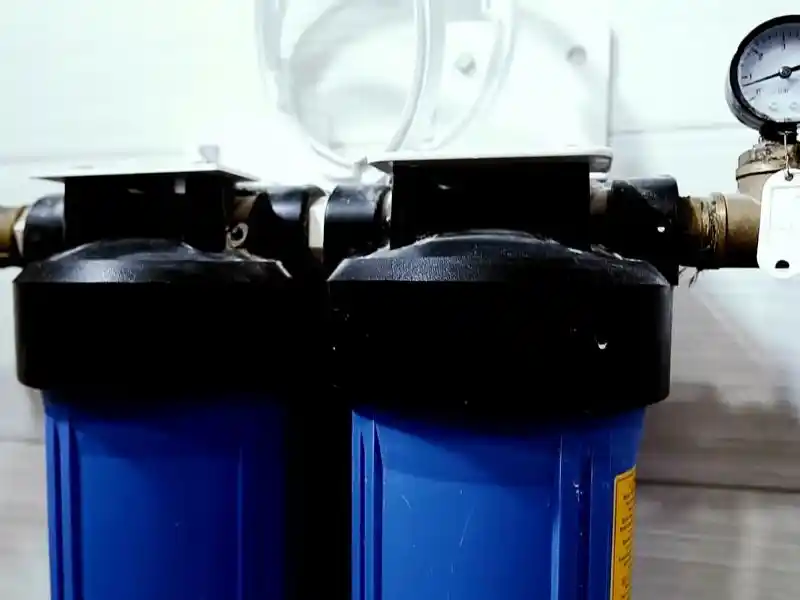
A whole-home softener treats water as it enters the house, protecting everything downstream at once.
- Whole-home softener: protects water heaters, fixtures, and appliances from scale buildup across the board
- Point-of-use filter: focuses on drinking water taste and clarity at one tap, usually under a kitchen sink
- Many homes use both together for full coverage
- We size it to your actual household, not a generic default
Sizing It for Seasonal or Full-Time Use
A softener sized for a full-time family home in Bonita Bay needs different capacity than one for a seasonal condo in Pelican Landing that sits empty part of the year, or a small bungalow near the Promenade at Bonita Bay shops. We factor in household size and water usage pattern. We also factor in whether the home is occupied year-round, before recommending a system size. That way you're not paying for capacity you'll never use.
Patterns We See on Calls Like This
A frequent pattern is a homeowner who's had their water heater serviced more than once for the same sediment issue, without realizing the real cause is upstream. Once a softener goes in, those same maintenance calls usually drop off. The mineral content causing the buildup never reaches the tank in the first place.
| System Type | Typical Cost Range | What Affects the Price |
|---|---|---|
| Whole-home water softener | $1,500 – $3,500 | System capacity, install complexity |
| Under-sink filtration unit | $300 – $800 | Filter type, number of stages |
| Combined softener + filtration system | $2,000 – $4,500 | Household size, water usage |
Ranges reflect typical SWFL pricing. They vary by system capacity and household needs. Final pricing follows a water hardness check.
Frequently Asked Questions
Is Bonita Springs water actually hard?
Yes. The area draws from a limestone aquifer. That produces water with noticeably higher mineral content than soft-water regions. It shows up as scale buildup on fixtures, spotting on glassware, and reduced water heater efficiency over time.
Whole-home softener or point-of-use filter?
A whole-home softener addresses hardness across the house. It protects appliances and plumbing. A point-of-use filter, like an under-sink unit, focuses on drinking water taste and quality at a single tap. Many homes benefit from both.
How much maintenance does a water softener need?
Most systems need periodic salt refills and an occasional resin bed check. We can set up a maintenance schedule when we install the system. That way it keeps performing without becoming a forgotten chore.