
What To Do Right Now
If water is actively spraying or pooling right now, you don't need the full explanation — you need the next step. Here it is, then keep reading while you wait for help.
Shut off the main water valve first. That single step limits damage more than anything else you can do before help arrives. If the burst is anywhere near an outlet or electrical panel, stay clear of that area, and cut power to that section if you can safely reach the breaker. Then call.
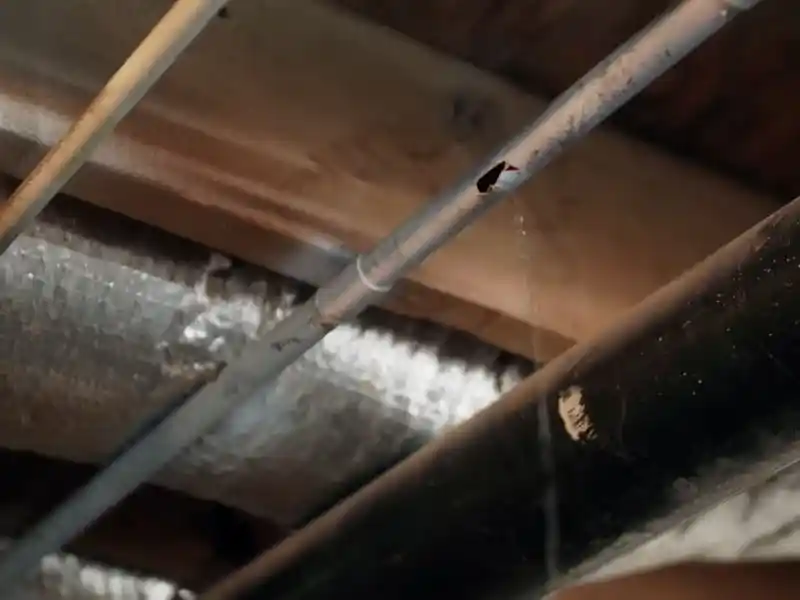
Why Every Minute Matters
A burst pipe doesn't slow down while you decide what to do.
Standing water spreads fast
Water finds the lowest point and the nearest absorbent surface — flooring, drywall, and stored items all start soaking it up immediately.
Mold sets in within a day or two
Florida's heat and humidity mean visible mold growth can begin in as little as 24-48 hours of standing water.
Electrical risk is real
Water reaching an outlet, panel, or powered appliance is a genuine safety hazard, not just a property one.
Why Bonita Springs Sees More Burst Pipes During Storm Season
Sudden pressure swings during storms put real stress on pipe joints, and heavy rain saturating the ground can shift soil enough to strain buried lines. Older copper supply lines, common in Imperial Shores-era homes, are already weakened by years of corrosion from salt air and hard water. Homes closest to the Gulf, out near Barefoot Beach Preserve, see this corrosion fastest. This makes them more likely to fail when that extra stress hits. Newer PEX lines in communities like Bonita Bay tend to handle pressure swings better. Though fittings and connections can still be a weak point.
How We Handle a Burst Pipe Call
First priority is stopping the water, either at the main or at an isolation valve closer to the break if one exists.
- Locate the exact failure point, not just the visible spray
- Assess whether it's a single break or a sign of broader pipe degradation
- Repair or replace the damaged section to current code
- Flag whether water damage restoration or mitigation is needed before mold sets in
For a full readiness checklist before the next storm, see our storm-season water damage response page.
Patterns We See on Calls Like This
A frequent pattern during active storms is a pressure surge finding the weakest point in an aging copper system — often a joint that's been slowly corroding for years without any visible sign. The break itself happens fast, but the underlying weakness was building long before the storm. Once we've stopped the immediate leak, we check nearby fittings for the same corrosion pattern, since a system that produced one weak joint often has others close behind.
| Repair Type | Typical Cost Range | What Affects the Price |
|---|---|---|
| Single-point pipe repair | $250 – $500 | Pipe material, access |
| Repair with wall/slab access needed | $500 – $1,200 | Location, drywall or slab work |
| Emergency after-hours response | $150 – $300 (dispatch) | Time of day, storm-related demand |
Ranges reflect typical SWFL market pricing and vary by pipe material, access, and time of call. Final pricing is confirmed on-site.
See a Recent Repair
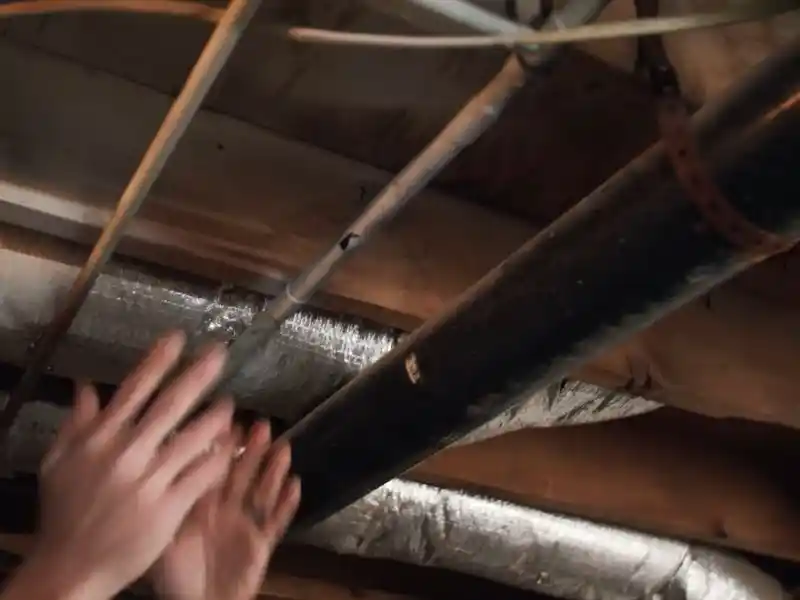
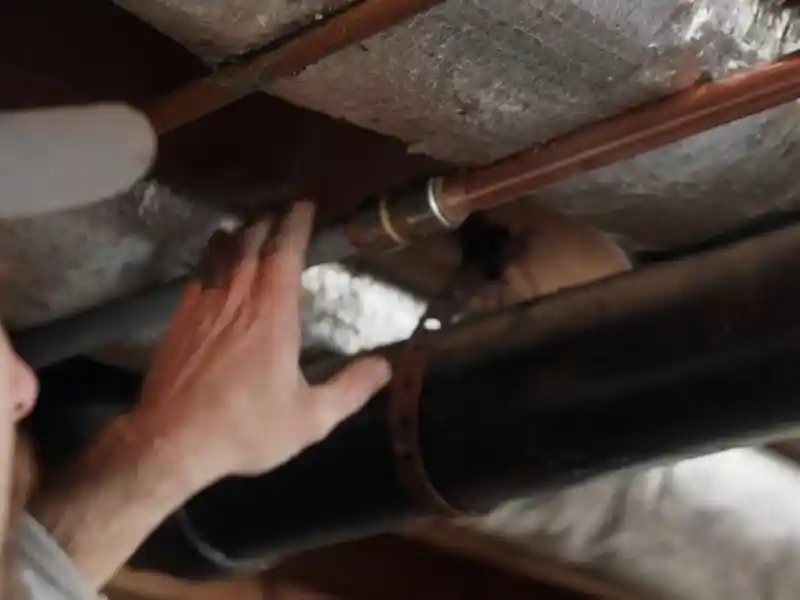
Pipe Repair — Imperial Shores
Decades-old copper fitting failing from salt-air corrosion, replaced with corrosion-resistant PEX.
Frequently Asked Questions
What should I do the moment I notice a burst pipe?
Shut off the main water valve first, then call for emergency service. If the burst is near an electrical outlet or panel, avoid the area and shut off power to that section if you can do so safely.
Why do pipes burst more during storm season?
Sudden pressure changes during storms, along with ground shifting from heavy rain saturation, put extra stress on pipe joints and aging fittings. Older copper lines already weakened by corrosion are especially prone to failing under that added stress.
Will insurance cover burst pipe repair?
Many homeowner policies cover sudden and accidental water damage from a burst pipe, though coverage details vary by policy. We can provide documentation of the repair for your insurance claim, but you'll want to confirm specifics with your insurer.