
What Water Mitigation Actually Means
If you caught the water early — before it soaked into drywall or pooled for days — you're in a better spot than you think. This is exactly the window where fast action keeps a wet spot from becoming a full restoration job.
Mitigation is the immediate response to water intrusion. Stopping the source. Pulling out standing water. Drying the space thoroughly before mold has a chance to take hold. It's different from full restoration, which handles the repair work afterward, like replacing damaged flooring or drywall. Mitigation is about limiting how bad the damage gets in the first place.
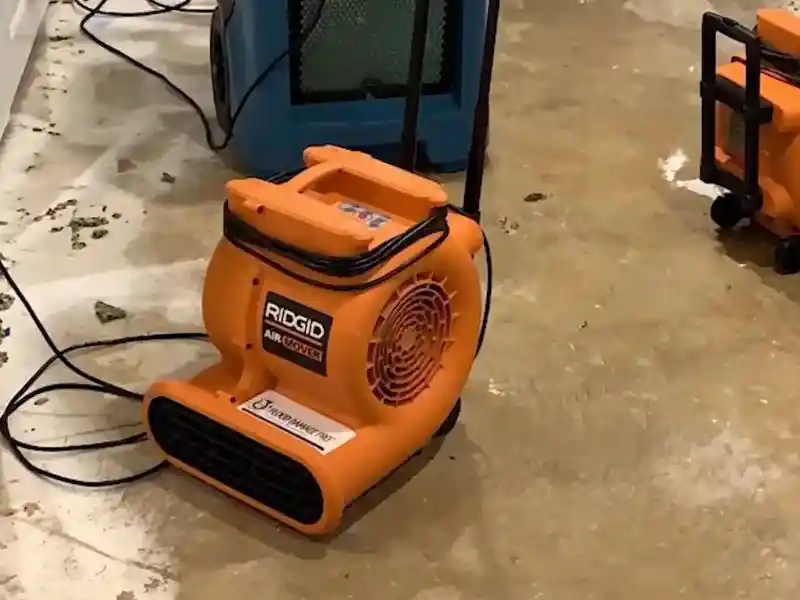
Why Speed Matters More in Florida
The window between "caught it early" and "now it's a restoration job" is shorter here than almost anywhere else.
Mold can start within 24-48 hours
Heat and humidity speed up mold growth far faster here than in drier climates, especially during peak hurricane season.
Materials keep absorbing water
Every hour water sits, more of it wicks into flooring and drywall — moving the job from mitigation into full restoration.
Waiting turns hours into days
A same-day mitigation call often means a same-week resolution. Waiting can turn that into weeks of drying and repair.
Fast mitigation isn't just about comfort. It's what keeps a plumbing incident from becoming a much larger restoration job.
Common Water Mitigation Triggers Here
We see the same handful of triggers repeatedly, and knowing which one you're dealing with shapes how we respond.
- Burst pipes during storm pressure surges
- Water heater failures in garages
- Storm surge or heavy rain entering low-lying areas near the Imperial River
- A failed sump pump in an older crawl-space home during heavy rain
- A slow leak in a seasonal, unoccupied home that ran unnoticed for weeks
Patterns We See on Calls Like This
A frequent call is a homeowner who noticed a wet patch near a water heater or under a sink within the first day and called immediately. In these cases, mitigation alone often resolves it fully — extraction and targeted drying, with no drywall or flooring replacement needed. The same issue caught a week later usually means a full restoration job instead. Speed is genuinely the difference here, not just a sales line.
| Service | Typical Cost Range | What Affects the Price |
|---|---|---|
| Emergency water extraction | $300 – $700 | Water volume, area size |
| Structural drying (equipment rental, days) | $400 – $1,200 | Affected area, drying time |
| Moisture monitoring & mold-risk assessment | $150 – $350 | Property size, complexity |
Ranges reflect typical SWFL pricing. They vary with water volume and drying time. Final pricing is set on-site.
Frequently Asked Questions
What's the difference between water mitigation and water damage restoration?
Mitigation is the immediate response. Stopping the water source. Extracting standing water. Drying the space to prevent mold. Restoration is the follow-up work of repairing whatever the water damaged, from flooring to drywall to the plumbing itself.
How quickly do you need to start mitigation after water intrusion?
As fast as possible. In Florida's heat and humidity, mold risk starts climbing within the first 24 to 48 hours, so the sooner extraction and drying start, the smaller the eventual repair.
Do you handle mitigation for both plumbing leaks and storm flooding?
Yes. The mitigation process is similar whether the water came from a burst pipe, an appliance failure, or storm surge and heavy rain. We also identify and repair the plumbing cause where one exists.