
A water heater rarely fails without warning. In a Bonita Springs home, the warning signs often show up a bit earlier than they would elsewhere. Salt air drifting in from Barefoot Beach and the Gulf, combined with hard water from the local limestone aquifer, puts extra strain on tanks and components most markets don't deal with.
Rust-Colored or Cloudy Water
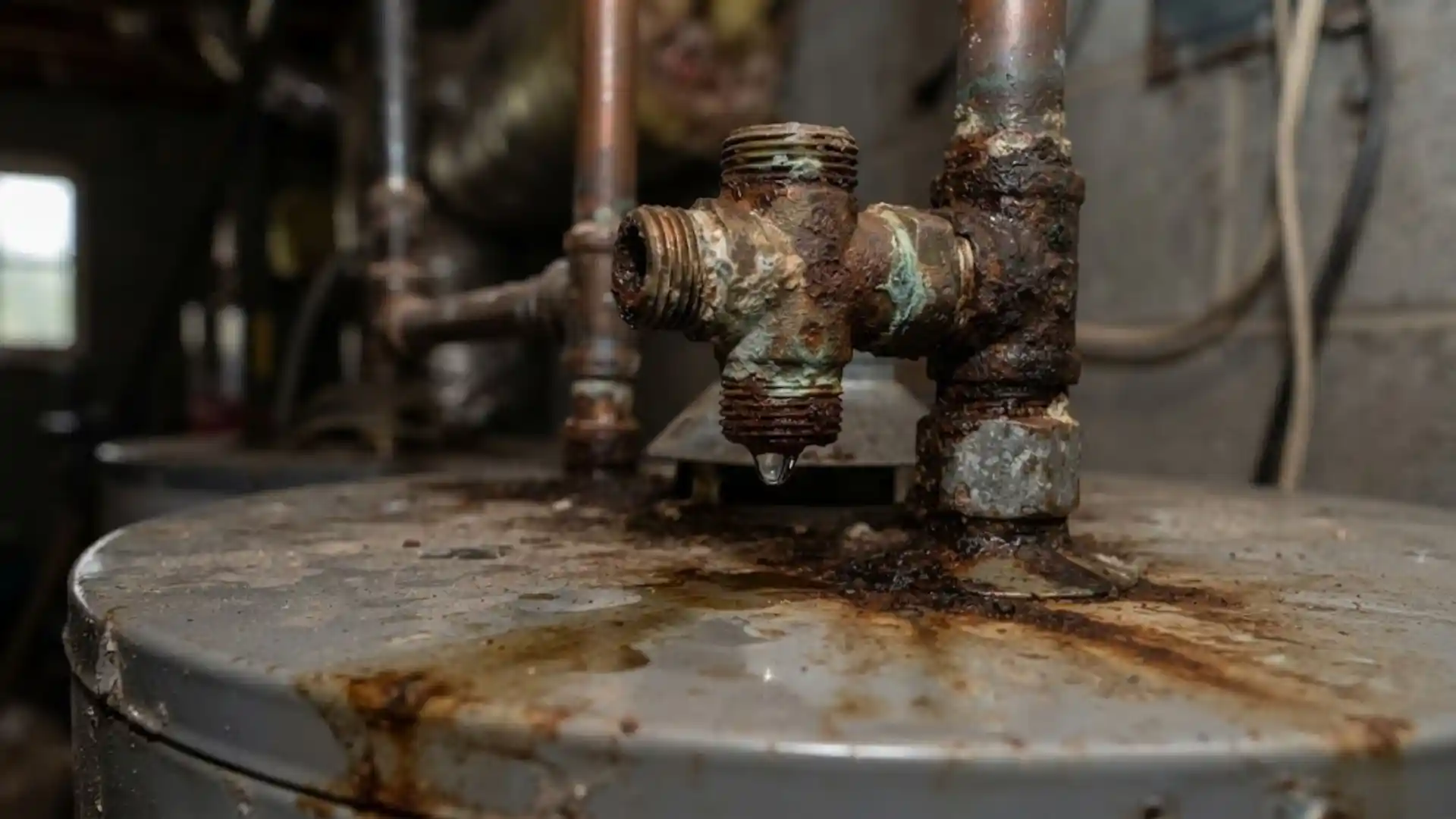
If hot water runs rusty or cloudy, especially right after the tap's been off for a while, that's often internal tank corrosion, not a problem with the supply line itself. In Bonita Springs, this shows up more in homes closer to the coast. Salt air speeds up the corrosion process on tank fittings and internal components there, faster than it would in a home further from the Gulf.
Popping or Rumbling Noises
A rumbling, popping, or cracking sound from the tank usually means sediment has built up at the bottom. It gets disturbed as the burner or heating element runs. The water here is hard, drawing from the same limestone aquifer that supplies most of Bonita Springs. That sediment buildup happens faster than in a softer-water market. It's part of why local water heaters often need attention sooner than the manufacturer's general estimate suggests.
Inconsistent Temperature or Reduced Hot Water Supply
Water that starts hot and cools quickly, or never quite reaches the temperature it used to, points to a heating element or thermostat issue. Or scale buildup insulating the tank from its own heating source. This is a common call for us in Bonita Bay and Pelican Landing homes with tanks that have never been flushed. Scale from this area's hard water builds up steadily without regular maintenance.
Water Pooling Around the Base
Any standing water at the base of the tank is worth taking seriously. It usually means a failed drain valve, a loose fitting, or a crack in the tank itself. Most Bonita Springs homes keep their water heater in the garage. Even a small ongoing leak can go unnoticed there until it's caused real damage — the kind of situation our water damage restoration team gets called for.
The Unit Is Approaching or Past Ten Years Old
Most tank water heaters are rated for eight to twelve years under normal conditions. In Bonita Springs, with the combined effect of salt air and hard water, we often see units showing real wear closer to the eight-year mark rather than the full twelve. That's especially true in homes near the coast or in older neighborhoods like Imperial Shores with legacy plumbing. If your unit is approaching a decade old, it's worth having it assessed for replacement rather than waiting for a clear failure.
| Sign | Likely Cause |
|---|---|
| Rusty or cloudy hot water | Internal tank corrosion |
| Popping or rumbling noises | Sediment buildup from hard water |
| Inconsistent temperature | Failing element, thermostat, or scale insulation |
| Water pooling at base | Failed valve, loose fitting, or tank crack |
| Unit is 8-12+ years old | Approaching typical end-of-life for this climate |
Why Bonita Springs Specifically Sees This Pattern
It comes down to two compounding factors that are both baked into this area's geography. First, the Gulf-adjacent salt air that reaches most of Bonita Springs, from Barefoot Beach inland through communities like Bonita Bay, speeds up corrosion on metal tank components in a way that inland, non-coastal markets simply don't experience. Second, the water itself, drawn from the same limestone aquifer across the whole city, carries enough mineral content to build scale steadily inside every tank regardless of neighborhood or home age. Combined, these two factors are why we tell Bonita Springs homeowners to think in terms of local wear patterns rather than a generic national lifespan estimate.
What to Do If You're Seeing These Signs
Not every sign means immediate failure. A single symptom, especially in a unit under six or seven years old, might just need a straightforward repair, like a new heating element or thermostat. Multiple signs together are a different story. So is any sign combined with a unit already near or past ten years old. Both usually mean it's worth getting a professional opinion on repair versus replacement, before you're dealing with a full failure and no hot water at all.
How This Varies Across Bonita Springs Neighborhoods
The pattern isn't identical everywhere in the service area. Homes in Imperial Shores, with older copper plumbing and closer proximity to the river and coastal salt air, tend to show these warning signs earliest. Sometimes well before the eight-year mark. Newer gated communities like Bonita Bay and The Brooks have PEX plumbing and more recent water heater installations. They usually get a slightly longer runway before symptoms appear. The hard water factor still applies equally though, no matter the neighborhood. Seasonal properties in communities like Pelican Landing and Village Walk add their own wrinkle. A unit that sits idle for months can develop sediment and valve issues that show up abruptly when the home is reoccupied, even if the unit's overall age wouldn't otherwise suggest a problem.
Don't Wait for a Complete Failure
The homeowners who end up without hot water on a random Tuesday are almost always the ones who noticed one of these signs weeks or months earlier and put off dealing with it. Catching a failing water heater early gives you options. While it's still producing hot water but showing warning signs, you can plan a repair or replacement on your own schedule, rather than waiting for an emergency call once the unit finally gives out.