
Most Bonita Springs homeowners notice hard water through the obvious signs. Spotty dishes. A filmy residue after showering. Maybe a white crust building up around faucet aerators. What's less visible, and arguably more important, is what that same mineral-heavy water is doing inside your pipes, fixtures, and appliances over years of steady exposure.
Where the Hardness Actually Comes From
Bonita Springs draws its water from a limestone aquifer. Water moving through limestone picks up calcium and magnesium along the way. That's what makes water "hard" in the first place. It applies whether your home is on Bonita Springs Utilities' central system or a private well, since both draw from the same regional geology. It's not a treatment failure or a utility problem. It's simply the mineral content of the water this area sits on.
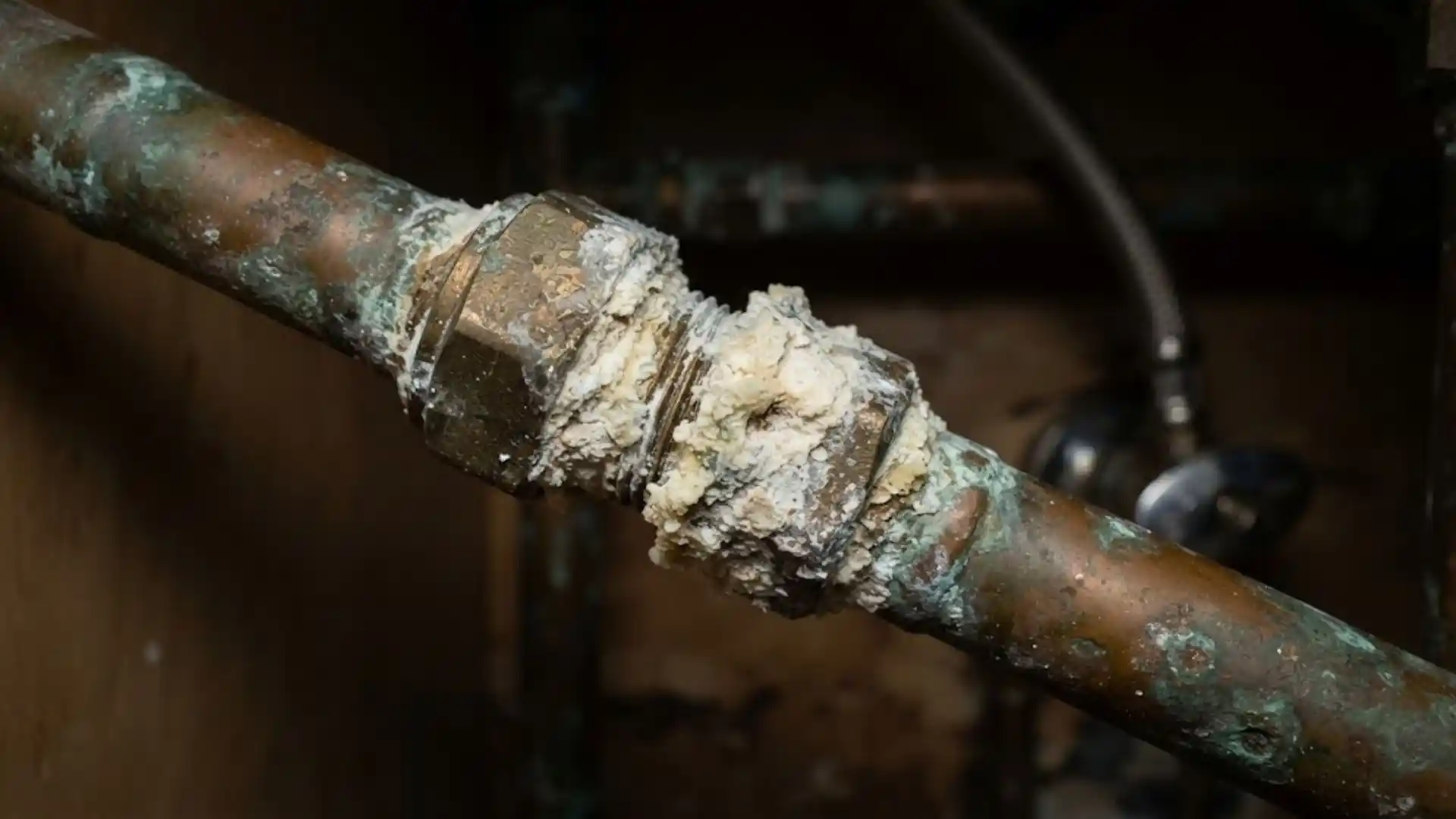
Inside Your Pipes: Scale Buildup Over Time
As hard water flows through pipes, a small amount of mineral content sticks to interior surfaces with every gallon that passes through. Over years, this builds into scale that narrows the pipe's effective width. That cuts water pressure and flow slowly enough that many homeowners don't notice until it's fairly advanced. Older copper plumbing, common in neighborhoods like Imperial Shores, tends to show this more than newer PEX plumbing in communities like Bonita Bay. PEX isn't entirely immune to internal scale buildup either.
Inside Your Water Heater: Accelerated Wear
A water heater takes the brunt of hard water's effects more than almost any other part of a home's plumbing. Sediment settles at the bottom of the tank. Scale coats the heating elements. This buildup insulates the tank from its own heat source. The unit has to work harder and use more energy to reach the same temperature. It wears down the components doing that work too. It's a big reason Bonita Springs water heaters often need attention sooner than a national average lifespan would suggest.
Your Fixtures and Appliances
Faucet aerators, showerheads, dishwashers, and washing machines all build up scale over time. That's why a showerhead that once had strong, even pressure can start to sputter or spray unevenly after a few years. Dishwashers and washing machines heat water internally too. They wear down faster on internal heating elements, in a smaller version of what happens inside a water heater. A whole-home softener is the most direct way to stop this across every fixture at once.
| What's Affected | What Hard Water Does |
|---|---|
| Pipes | Interior scale buildup, reduced flow over years |
| Water heater | Sediment buildup, reduced efficiency, accelerated wear |
| Faucets & showerheads | Clogged aerators, uneven spray pattern |
| Dishwashers & washing machines | Scale on internal heating elements |
Does Every Bonita Springs Home See This Equally?
Not quite. Homes on private well, more common in older areas like Imperial Shores and inland communities like Golden Gate, can see more swing in hardness. It depends on the specific well's depth and shape, and can sometimes run harder than the general BSU-supplied average. Homes with an existing water softener are mostly protected from these effects across the whole plumbing system. The softening process handles the mineral content before it ever reaches pipes, water heaters, or fixtures.
What a Water Softener Actually Changes
A whole-home water softener treats water as it enters the house. It swaps the calcium and magnesium behind hardness for sodium or potassium ions. This stops the scale-forming process before it starts. It protects everything downstream at once: pipes, water heater, fixtures, and appliances. Not just one at a time as problems show up. For a home planning to stay in Bonita Springs long-term, a softener is one of the more effective single investments for cutting plumbing maintenance over time.
If You're Not Ready for a Softener Yet
Short of a full whole-home system, a few things help manage hard water's effects in the meantime. Regular water heater flushing. Periodic aerator cleaning. Being aware that fixtures may need replacement somewhat sooner than the manufacturer's general estimate. None of these fully solve the underlying issue. But they reduce how much it costs you in premature repairs and replacements while you decide whether a softener makes sense for your household.
How Long Has This Been an Issue for Bonita Springs?
Hard water isn't new here. It's a permanent feature of the area's underlying rock, and it's been affecting homes since Bonita Springs was first built up. What has changed over time is awareness. More homeowners now see the link between the limestone aquifer and the maintenance issues they're dealing with. They used to treat premature water heater failures or clogged showerheads as separate, unrelated problems. Seeing the shared root cause makes it easier to fix things ahead of time, instead of treating symptoms one by one.
Getting Your Water Tested
If you're unsure how hard your specific water is, a water hardness test gives you real numbers instead of a general guess based on the area's reputation. This helps most for homes on private well, where hardness can vary more from property to property than the city-supplied average. Knowing your actual hardness level helps size a softener correctly, if you decide to move forward with one.