
When Hydro-Jetting Makes Sense
If you've already had a line snaked once, maybe twice, and it clogged again within weeks, you're probably starting to suspect the real problem was never actually fixed — just pushed out of the way. You're right.
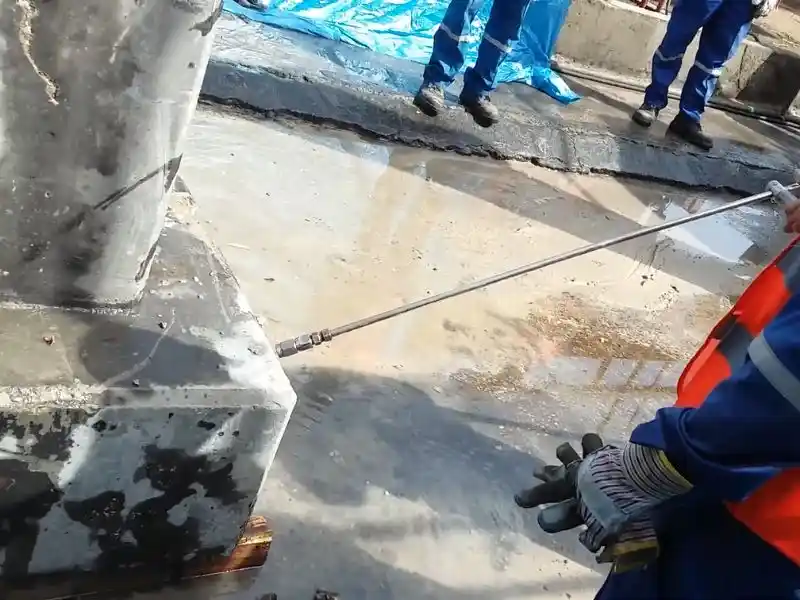
If a line keeps clogging in the same spot after being snaked, or a camera inspection shows grease buildup coating the inside of the pipe, hydro-jetting is usually the more effective fix. It's also the standard approach for tree root intrusion. This is common in older Bonita Springs neighborhoods with mature landscaping close to sewer lines.
What Happens If You Keep Snaking the Same Line
Snaking punches a path through a clog. It doesn't clear what's coating the pipe walls.
Roots keep growing back
A snake clears a path through root intrusion, but the roots left behind on the pipe walls keep expanding into that same gap — a pattern aging pipe systems see more of over time.
Grease buildup narrows over time
Each partial clearing leaves a coating behind, so the effective diameter of the pipe keeps shrinking with every cycle.
You end up paying for repeat visits
Several snaking calls over a year often cost more than one thorough jetting visit that actually resolves the root cause.
How It Works
We start with a camera inspection to see exactly what's inside the line and confirm the pipe can handle the pressure.
- Send high-pressure water through the line to scour the full inside diameter
- Clear grease and root material from the pipe walls, not just punch through the center
- Run a follow-up camera pass to confirm the line is actually clear
- Compare against standard drain cleaning to recommend the right tool for your specific case
Why Roots and Grease Are a Bigger Issue Here
Mature oak and ficus trees are common in older Bonita Springs neighborhoods, including the shaded streets around Riverside Park downtown. They send roots toward any available moisture source, including small gaps at pipe joints. Grease buildup follows a similar pattern in older kitchen lines, which is also why we recommend routine grease trap cleaning for commercial kitchens.
Patterns We See on Calls Like This
A frequent call comes from a homeowner who's had the same line snaked two or three times over a year, each time hoping it was finally fixed. A camera inspection on these calls almost always shows the actual cause still coating the pipe walls — root intrusion or grease that snaking never touched. One jetting visit typically resolves what months of repeat snaking couldn't.
| Service | Typical Cost Range | What Affects the Price |
|---|---|---|
| Hydro-jetting, single line | $350 – $650 | Line length, buildup severity |
| Hydro-jetting, full main line | $500 – $900 | Line length, access points |
| Camera inspection (before/after) | $150 – $350 | Line length, access |
Ranges reflect typical SWFL market pricing and vary by line length and buildup severity. Final pricing follows camera inspection.
Frequently Asked Questions
Is hydro-jetting safe for older pipes?
We check pipe material and condition first, since hydro-jetting uses real pressure and isn't the right call for severely deteriorated old pipe. For most copper and PEX lines in good structural condition, it's safe and effective.
How is hydro-jetting different from a regular drain snake?
A snake punches through or hooks a single clog. Hydro-jetting uses high-pressure water to scour the entire inside diameter of the pipe, clearing grease buildup, scale, and root intrusion along the whole line rather than just the blockage point.
How often should a home's main line be hydro-jetted?
It depends on the home. Properties with mature trees near the sewer line or a history of grease buildup may benefit from jetting every couple of years as preventive maintenance. Others may go much longer without needing it.