
What Falls Under General Plumbing Repair
A dripping faucet or a toilet that keeps running feels minor — annoying, not urgent. But if it's been going on for weeks and you're tired of the sound, or the water bill, you already know it's not going to fix itself.
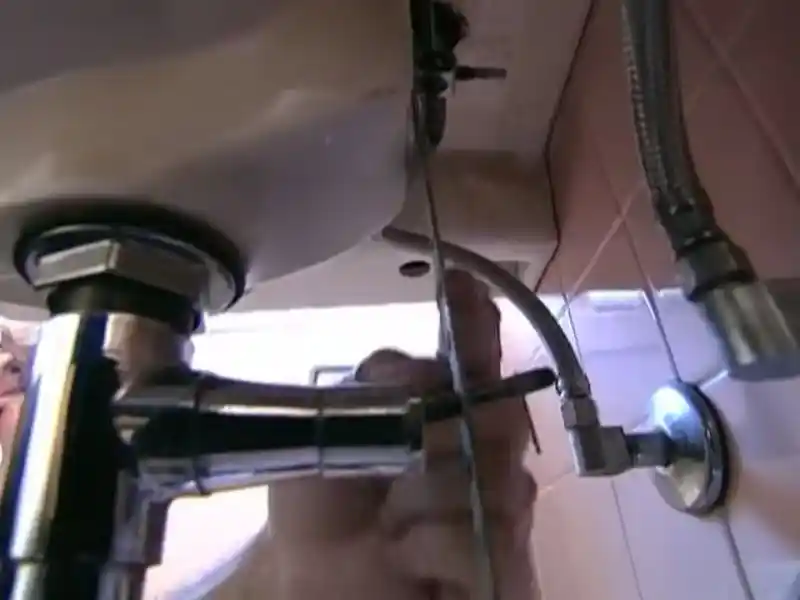
This covers the everyday stuff that isn't quite an emergency but still needs a real fix: a faucet that won't stop dripping, a toilet that keeps running, a shutoff valve that's seized up, or fittings that have started corroding and leaking slowly. None of these are usually urgent on day one. Left alone they tend to get worse, especially in a humid, hard-water market like this one.
What Happens If You Keep Putting It Off
A minor drip today doesn't stay minor forever, especially in this water.
A stuck valve can seize completely
An old shutoff valve that hasn't been touched in years can corrode shut, so you lose the ability to isolate a fixture in an emergency.
Small leaks add up on your bill
A running toilet alone can waste hundreds of gallons a month, quietly inflating a bill you might not think to question.
Corrosion spreads to nearby fittings
One leaking connection often means the ones next to it aren't far behind — hard water and salt air don't stop at one fitting.
Why Small Repairs Don't Stay Small Here
Hard water from the area's limestone aquifer speeds up mineral buildup inside valves and fixtures — the same effects a water softener is built to prevent. This makes small drips turn into stuck or failed parts faster than they would in a softer-water market. Salt air adds corrosion to exposed metal fittings, particularly on homes closer to the coast. The historic cottages around Everglades Wonder Gardens and the Old 41 corridor show this especially, given how long some of that plumbing has been in place. A repair that would sit fine for years elsewhere can shorten to months here if it's ignored.
Old Copper vs. Newer PEX
We bring a different approach depending on what's actually installed, not a one-size-fits-all fix.
- Older copper in Imperial Shores-era homes: check for corrosion at joints before it spreads further
- Newer PEX in communities like Bonita Bay: check connector and fitting integrity
- Widespread corrosion across multiple fittings: flag whether a whole-house repipe makes more sense long-term
- Give you the honest comparison, not just the more profitable option
Patterns We See on Calls Like This
A frequent call is a homeowner who's lived with a slow drip or a stubborn shutoff valve for months, assuming it's not worth a service call. In most of these visits, the fix itself is quick — a washer, a cartridge, a valve replacement — but the homeowner had been quietly paying for the waste the whole time. Catching it earlier usually means a smaller bill both from us and from the utility.
| Repair Type | Typical Cost Range | What Affects the Price |
|---|---|---|
| Faucet or fixture repair | $120 – $300 | Fixture type, part availability |
| Valve replacement | $150 – $400 | Valve type, access |
| Running toilet repair | $100 – $250 | Parts needed, toilet age |
Ranges reflect typical SWFL market pricing and vary by fixture age, part availability, and access. Final pricing is confirmed on-site.
Frequently Asked Questions
What counts as a general plumbing repair?
Anything short of a full replacement or major line work: leaking faucets, running toilets, faulty shutoff valves, loose or corroded fittings, and fixture repairs all fall under general plumbing repair.
Should I fix a small leak myself or call a plumber?
A dripping faucet washer is often a reasonable DIY fix. Anything involving a supply line, a shutoff valve, or a fixture connected to a wall or slab is worth a professional look, since a mistake there can turn a small leak into a much bigger repair.
Do you repair fixtures in older homes with outdated plumbing?
Yes. We regularly work on older copper systems common in Imperial Shores-era homes as well as newer PEX systems, and we'll flag if a fitting or valve is original to a decades-old install and worth upgrading while we're already there.