
We get a noticeable spike in drain-cleaning calls every time Bonita Springs gets a serious rain event. It's rarely about what people are putting down the drain that week. Heavy rain changes conditions underground. Problems that were sitting there unnoticed suddenly become obvious.
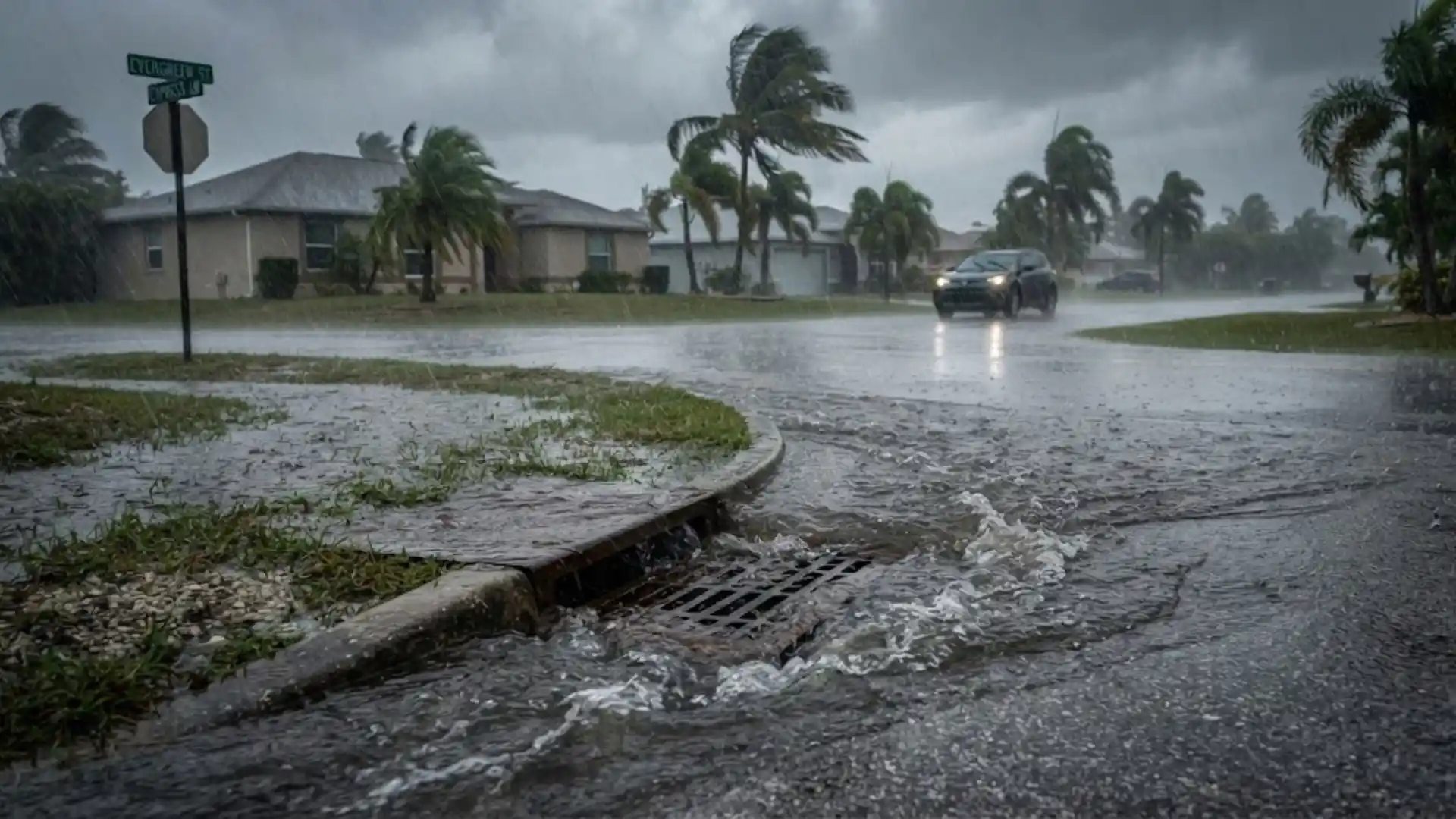
Saturated Ground Pushes Water Into Sewer Lines
In older parts of Bonita Springs, like Imperial Shores with its legacy pipe and connection age, heavy rain soaks the ground around sewer lines. Groundwater finds its way into small cracks or loose joints. That extra water adds volume to a system already handling normal household flow. A line that was coping fine with a partial clog under normal conditions can back up completely once that extra volume shows up.
Tree Roots Get More Aggressive When It's Wet
Mature landscaping is common across Bonita Springs, and tree roots actively seek out moisture. They push harder toward pipe joints during and after heavy rain than they would in a dry stretch. A root intrusion that's been slowly narrowing a line for months can tip over into a full blockage right when a storm brings extra water volume and more aggressive root activity at once.
Storm Surge and River Levels Affect Drainage Near the Water
For homes closer to the Imperial River, rising river levels during a storm can push back against normal drainage flow. The water has nowhere lower to go. That's part of why river-side neighborhoods see drain and sewer backups more than communities set back from the water, even when the rain totals aren't dramatically different across the city.
Septic Systems Face Their Own Rain-Related Stress
For Bonita Springs homes still on private septic, common in older river-side areas and inland communities like Golden Gate, a high water table from sustained rain cuts how well the drain field can absorb wastewater. A septic system that's due for pumping anyway is far more likely to back up during a heavy rain stretch than in a normal dry period. The ground around the drain field is already soaked and has less room to help.
| Rain-Related Cause | What's Happening |
|---|---|
| Saturated ground near sewer lines | Groundwater infiltrates cracks/joints, adds volume |
| Aggressive root growth | Roots push harder into joints seeking moisture |
| Rising river levels | Pushes back against normal drainage flow |
| High water table (septic) | Reduces drain field absorption capacity |
Why This Isn't Just Bad Luck
If your drains only act up during or right after heavy rain, that's actually useful diagnostic information, not random bad timing. It usually points to an existing issue, a partial root intrusion, a marginal pipe joint, or a septic system due for service, being pushed past its limit by the extra water. It's not a brand-new problem showing up out of nowhere. A camera inspection during a dry period can often confirm exactly what's already there, before it causes a full backup during the next storm.
What You Can Do Before the Next Heavy Rain
If this pattern sounds familiar, get the line inspected during a dry stretch, rather than waiting for the next storm to force the issue. That gives you the option to address it on a normal schedule instead of during an emergency. For septic systems, staying current on the typical three-to-five-year pumping schedule matters more in this climate than in drier regions. Bonita Springs' rain patterns put more regular stress on drain field capacity than a lot of other markets see.
When It's Worth an Emergency Call
A slow drain that gets worse during rain is worth scheduling standard service for. A full backup, sewage smell, or water coming up through a drain instead of going down is a different situation. That's worth an emergency call, especially if it's affecting more than one fixture at once. That usually means a main line issue, not something isolated to a single drain.
How This Differs Across Our Service Area
The pattern isn't the same across every community we serve. River-side neighborhoods like Imperial Shores get hit hardest. Saturated ground, aggressive root growth, and rising river levels all pile up at once there. That makes them the highest-risk area for storm-triggered drain issues. Newer communities like Bonita Bay and The Brooks run more continuous PEX and PVC plumbing with less mature root systems. They usually see fewer storm-related backups. Hard water and normal wear still apply no matter the neighborhood's age, though. Golden Gate and other areas with more private septic systems face a different version of the same seasonal pattern. Theirs is tied to drain field saturation instead of sewer line infiltration.
A Pattern Worth Tracking Over a Full Season
If you notice your drains act up consistently after rain, it's worth jotting down when it happens and how bad each instance is. Share that pattern with a plumber during a camera inspection. It helps pinpoint whether the cause is root intrusion, an aging joint, or a septic system nearing capacity, instead of starting the diagnostic process from scratch each time.